
Surgical Dental Extraction in Kolkata
When Your Tooth Just Won't Behave, It's Time for Surgery!
Home / Treatments / Surgical extraction
RCT
Veneers
Implants
Patients
What is Surgical Extraction Treatment?
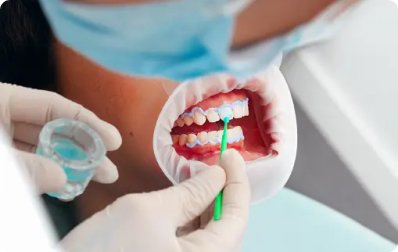
A surgical extraction is a specialised dental procedure used to remove teeth that are not easily accessible, such as impacted, broken, or deeply rooted teeth.
Types of Surgical Extraction Treatment
| Treatment | Description | Suitable For | Expected Duration |
|---|---|---|---|
|
Impacted Tooth Removal
|
Typically, wisdom teeth that haven’t erupted fully through the gum line. The tooth is removed surgically if it causes pain or potential future dental issues |
Patients with partially erupted or impacted wisdom teeth. | 30-45 minutes |
|
Sectioning Method
|
The tooth is divided into smaller pieces using a surgical burr for easier removal, minimising bone loss. Commonly used for molars or complex extractions. | Patients with molars or teeth that are difficult to extract whole. | 45 minutes to 1 hour |
|
Root Removal
|
Specialised technique to remove fractured roots or root tips left below the gum line, ensuring thorough extraction. | Patients with broken or fractured tooth roots. | 30-45 minutes |
|
Impacted Canines/Extra Teeth
|
Surgical removal of unerupted or misplaced teeth, including impacted canines that may cause alignment issues. | Individuals with misplaced, unerupted, or extra teeth. | 45 minutes to 1 hour |
Why Choose Magic Smile Dental Clinic?
Modern Infrastructure
Wide Range of Services
ISO Certified Clinic
100% Patient-Centric
Personalised Dental Care
Digital Smile Design
The Visionary Minds Behind Magic Smile
Our leadership team brings decades of expertise, blending clinical mastery with patient focus. Their dedication ensures each patient receives the best treatment in a welcoming, comfortable environment.
- Clinical Mastership in Aesthetic Dentistry (Mum)
- Certified Implantologist- Osteem (S.korea)
- Asso. Fellowship in Laser Dentistry (WCLI - USA)
- Certified Implantologist- Dentium (MUM)
- Asso. Fellowship in Laser Dentistry (WCLI - USA)
Treatment Process (Step-by-Step)
Initial Consultation
Our dentist will assess your dental condition and discuss the best treatment options for you.
X-ray and Diagnosis
A detailed X-ray of the tooth is taken to plan the surgical procedure effectively.
Anaesthesia Administration
We administer local or general anaesthesia to ensure the procedure is completely pain-free.
Extraction
The tooth is carefully extracted, and any necessary suturing is done to promote healing.
Post-Operative Care
We provide aftercare instructions to ensure smooth post-operative recovery and minimise discomfort.
Benefits of Surgical Teeth Extraction

Pain-free procedure with anaesthesia

Quick recovery and minimal downtime

Avoids future dental complications

Stops tooth infection from spreading
Recovery Timeline (Based on Treatment Type)
Impacted Tooth Removal
Swelling and discomfort decrease, stitches dissolve.
Sectioning Method
Bruising fades, and gum tenderness subsides.
Root Removal
Mild pain and swelling subside, and healing begins.
Impacted Canines/Extra Teeth
Swelling reduces, and gum tissue heals.
Treatment Risks & Safety
Risks
A rare occurrence, but it may happen if post-operative care is not followed.
Common side effects that subside in a few days.
Extremely rare, but it can occur during wisdom tooth extraction.
If not managed properly, some bleeding may occur post-surgery.
Safety Measures
Ensuring all equipment is sanitised.
We use the latest methods for safe and effective extractions.
Detailed instructions are provided to minimise risks.
Proper follow-up visits are scheduled to ensure a faster recovery.
Frequently Asked Questions
How is a surgical tooth extraction different from a regular tooth extraction?
Surgical tooth extraction involves the removal of teeth that cannot be accessed easily, such as impacted wisdom teeth or fractured teeth. It often requires cutting through gum tissue and possibly the bone.
What is the expected recovery timeline after a surgical extraction?
Recovery typically takes 7-14 days, with swelling and discomfort decreasing after the first few days. Follow-up visits are essential to ensure proper healing.
Are there any complications that could arise after the surgery?
Complications are rare but may include infection, prolonged bleeding, or damage to nearby nerves. These risks are minimised with proper care and follow-up visits.
How is pain managed during and after the procedure?
Anaesthesia is used during the procedure to prevent any discomfort. Post-surgery, prescribed pain relievers or over-the-counter medication can help manage any mild discomfort or swelling.
When can regular activities be resumed after surgery?
Most patients can return to normal activities after 2-3 days of rest. However, it's important to follow any specific aftercare instructions and attend follow-up visits for a full recovery.