
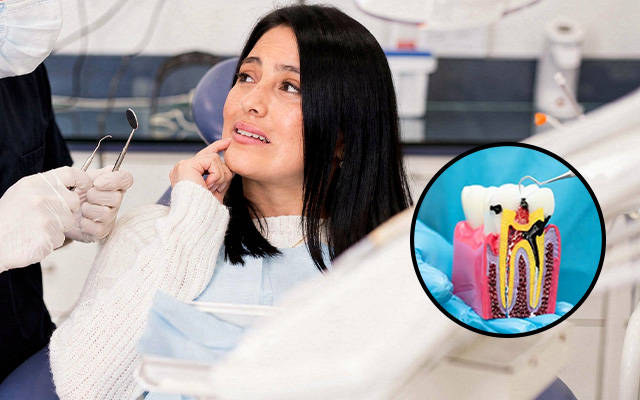
Delaying a root canal gives harmful bacteria time to rapidly spread, turning minor tooth pain into a serious dental abscess. [Source]
As the infection progresses, it can damage the surrounding jawbone, weaken nearby teeth, and even enter the bloodstream, increasing the risk of severe systemic complications. In many cases, delaying treatment ultimately leads to irreversible tooth loss.
Magic Smile, a trusted root canal treatment clinic in Newtown, explains how delaying root canal treatment increases the risk of infection, complications, and permanent tooth loss over time.
What Is Root Canal Treatment?
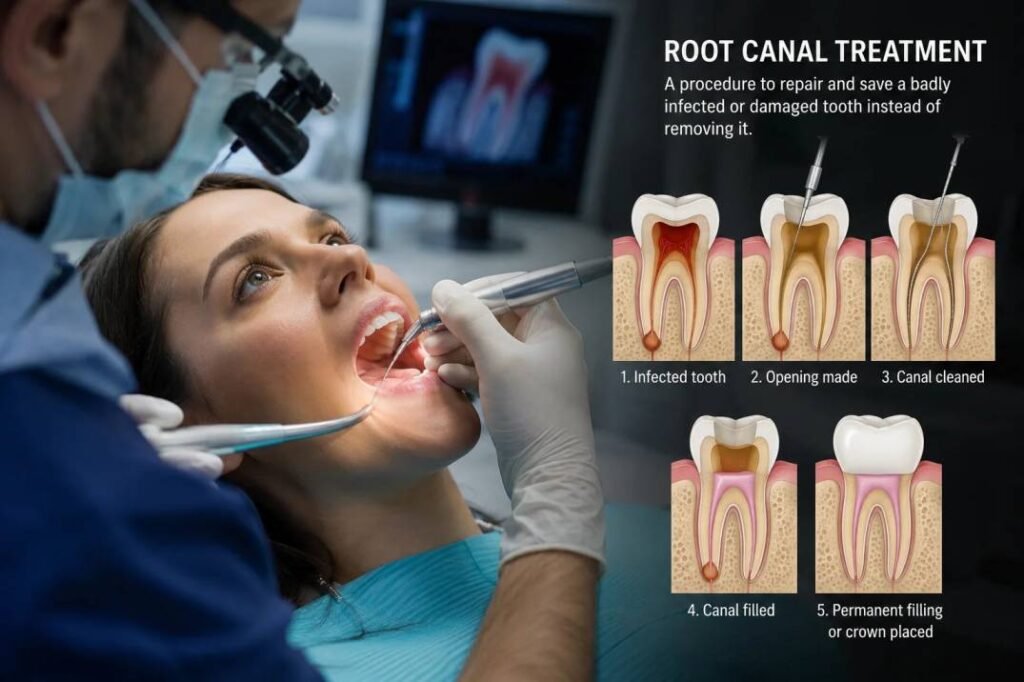
Root canal treatment is a procedure used to save a severely infected or damaged tooth by removing infected pulp tissue from inside the root canals.
The root canal treatment involves:
- Cleaning infected inner canals
- Eliminating bacteria
- Disinfecting the tooth internally
- Sealing the canals to prevent reinfection
- Restoring the tooth’s strength and function
Modern root canal procedures are designed to preserve the natural tooth while stopping the spread of deeper infection.
What Common Dental Problems Can Lead To Root Canal Treatment?
- Deep cavities that allow bacteria to reach the pulp
- Dental trauma or injury affecting the tooth nerve
- Cracked or broken teeth exposing the inner structure
- Repeated dental procedures on the same tooth
- Faulty or leaking dental restorations allow bacterial entry
Why Root Canal Treatment Becomes Necessary
Inside every tooth is soft tissue called pulp, which contains nerves and blood vessels. When bacteria enter this area:
- Inflammation develops
- Pressure builds internally
- The nerve tissue deteriorates
- Infection spreads deeper toward the root
Without treatment, the infection rarely stops on its own.
What Happens If You Delay a Root Canal?
Delaying a root canal allows infection inside the tooth to continue spreading deeper into the root canals, surrounding tissues, and supporting bone.
Step 1: Infection Remains Inside the Tooth
In the earliest stage, the infection stays confined within the pulp chamber and inner root canals.
Common symptoms during this phase include:
- Mild to moderate toothache
- Sensitivity to hot or cold foods
- Temporary throbbing
- Slight discomfort while chewing
At this stage
- The tooth nerve becomes inflamed
- Pressure develops inside the tooth
- Infection remains localised initially
- Symptoms may come and go
At this stage, root canal treatment is usually simpler and highly predictable.
Step 2: Infection Reaches the Root Tip
As bacteria spread deeper, the infection begins extending toward the root apex and surrounding tissues.
Patients may begin experiencing:
- Sharper or more persistent pain
- Increased discomfort while biting
- Heightened pressure around the tooth
- Sensitivity that lasts longer after eating or drinking
During this stage:
- Inflammation spreads beyond the pulp
- Root tissues become irritated
- Daily chewing becomes uncomfortable
- Infection pressure increases steadily
This stage usually indicates that the infection is actively progressing rather than remaining localised.
Step 3: Abscess Formation Develops
Without treatment, infection/pus may begin to collect near the root tip, forming a dental abscess.
Common warning signs include:
- Gum swelling
- Facial swelling
- Pus discharge
- Bad taste in the mouth
- Continuous throbbing pain
- Pressure around the infected area
At this stage:
- Bacteria spread beyond the root
- Soft tissues become inflamed
- Infection becomes more aggressive
- Swelling may increase rapidly
Abscess formation at this stage requires urgent dental evaluation, as the infection is no longer confined to the tooth alone.
Step 4: Infection Begins Affecting the Jawbone
As the infection progresses, it may begin to damage the bone supporting the tooth.
Possible effects include:
- Weakening of the surrounding jawbone
- Reduced support around the tooth root
- Increased tooth mobility
- Persistent inflammation in nearby tissues
During this phase:
- Bone deterioration may gradually develop around the root
- Structural support for the tooth decreases
- Recovery may take longer
- Additional procedures may become necessary
Untreated dental infections can gradually destroy the bone surrounding the tooth over time.
Step 5: Tooth Structure Becomes Difficult to Save
In advanced stages, prolonged infection may severely compromise the tooth and surrounding structures.
Potential outcomes include:
- Extensive structural breakdown of the tooth
- Severe infection spread into nearby tissues
- Significant loss of supporting bone
- Reduced ability to restore the tooth successfully
At this point:
- Root canal treatment may become less predictable
- Surgical intervention may be required
- Extraction may become the only viable option
- Recovery often becomes longer and more complex
What Happens During a Root Canal Procedure?
- The tooth is numbed using local anaesthesia
- A small opening is created to access the infected pulp
- Damaged tissue and bacteria are removed from inside the canals
- The canals are cleaned and disinfected thoroughly
- The space is sealed using a specialised filling material
- A dental crown may later be placed to restore strength and function
Is Root Canal Treatment Painful?
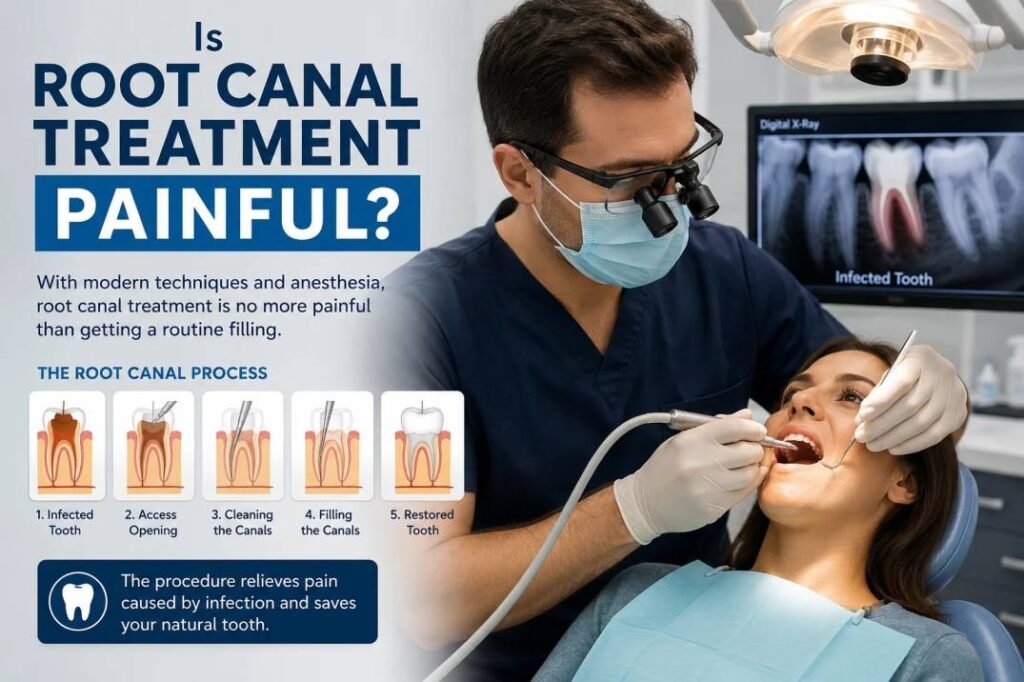
No. Modern root canal treatment is usually not painful.
Advanced anaesthesia techniques help patients remain comfortable throughout the procedure. Most people describe the experience as similar to receiving a standard dental filling.
How Long Does a Root Canal Last?
On average, a properly treated, restored, and well-maintained tooth can last between 10 and 20 years, or longer.
Root canal treatments have a success rate of over 95%, and many treated teeth continue to function for decades, sometimes even a lifetime.
One of the most important factors influencing its longevity is the quality and timing of the permanent restoration, especially the dental crown placed after treatment.
How Delayed Treatment Changes Recovery and Cost
Delayed treatment may lead to:
- Multiple dental visits instead of a single procedure
- Increased treatment costs
- Need for crowns, surgery, or extraction
- Longer recovery periods
- Greater structural loss within the tooth
Delay vs Consequence vs Treatment Needed
| Delay Stage | What Happens | Risk Level | Treatment Needed |
| Early delay | Infection is limited to the pulp | Low | Root canal |
| Moderate delay | Abscess formation begins | Medium | Root canal + medication |
| Advanced delay | Bone involvement | High | Root canal or surgical treatment |
| Severe delay | Tooth non-restorable | Very High | Extraction + replacement |
When Does a Tooth Become Too Damaged for a Root Canal?
A tooth may no longer be suitable for root canal treatment when:
- Large portions of the tooth structure are destroyed
- Infection has severely affected the surrounding bone
- The tooth cannot support a final restoration
In these situations, extraction and tooth-replacement options, such as implants or bridges, may be necessary.
How Fast Can a Tooth Infection Spread?
The speed varies depending on:
- Immune response
- Severity of bacterial infection
- Tooth condition
- Oral hygiene
- Existing inflammation
Some infections worsen over weeks, while others may spread rapidly within days.
A dangerous misconception is assuming reduced pain means healing. In many cases, the nerve tissue simply dies while the infection continues spreading silently underneath.
Can Antibiotics Replace a Root Canal?
No. Antibiotics may temporarily reduce swelling or bacterial activity, but they usually cannot eliminate an infection trapped inside the tooth canals.
Without removing the infected pulp:
- Bacteria often remain active
- Symptoms may return
- Structural damage continues to progress
Root canal treatment addresses the source of the infection directly.
Can a Tooth Infection Heal Without Treatment?
No. A tooth infection does not heal on its own.
Even if pain temporarily reduces:
- Bacteria may still remain active inside the tooth
- Infection can continue spreading silently
- Structural damage may continue progressing unnoticed
Temporary symptom relief should never be mistaken for recovery.
Root Canal vs Extraction – What Changes If You Delay
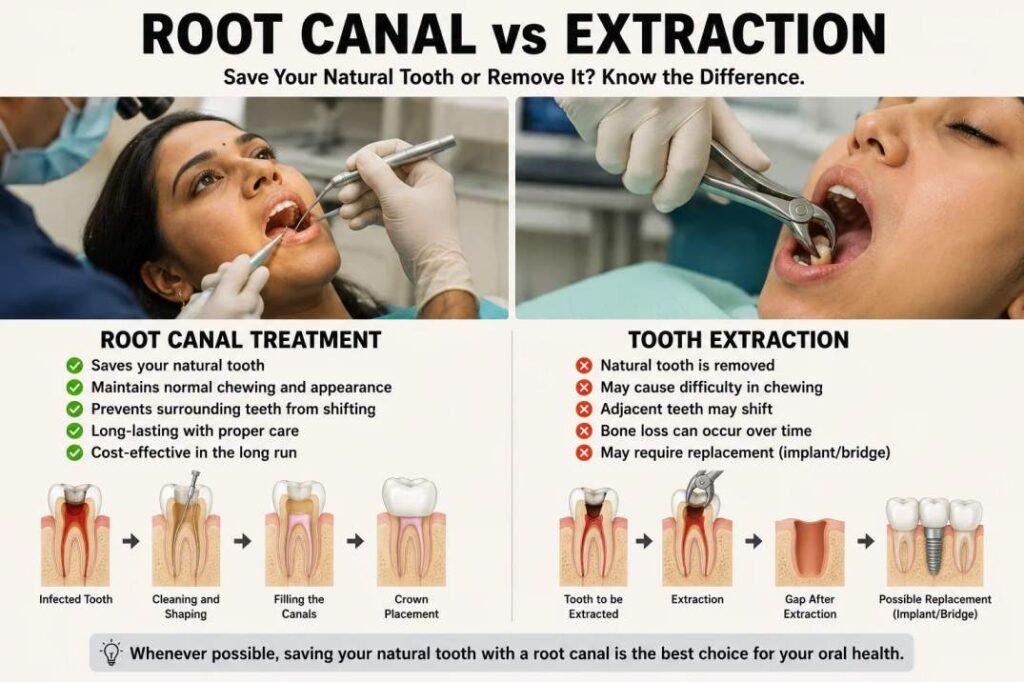
Early Stage:
- The tooth can be preserved
- Treatment is simple
- Recovery is faster
Late Stage:
- The tooth may require removal
- Additional procedures become necessary
- Recovery is longer and more complex
Which Symptoms Should Never Be Ignored?
Certain warning signs strongly suggest advancing infection:
- Continuous or throbbing tooth pain
- Pain while biting or chewing
- Swelling near the gums or jaw
- Persistent sensitivity to heat or cold
- Gum boils or discharge near a tooth
- Tooth darkening without injury
If multiple symptoms appear together, dental evaluation should not be delayed.
Why Early Root Canal Treatment Leads to Better Outcomes
Early treatment helps:
- Stop infection before deeper spread occurs
- Preserve natural tooth structure
- Reduce the likelihood of surgical intervention
- Improve long-term treatment predictability
- Minimise overall restorative needs
At Magic Smile, a trusted root canal treatment clinic in Newtown, early cases are typically completed with less complexity and better long-term results.
Patients who seek timely care often avoid more invasive treatments.
What To Do If Tooth Pain Persists?
Recommended Next Steps
- Do not ignore persistent pain
- Avoid relying only on temporary pain relief
- Seek a professional dental evaluation early
- Follow the advised treatment plan promptly
- Complete treatment before complications develop
Root Canal Treatment Approach at Magic Smile Dental Clinic in Newtown
- Accurate identification of the affected tooth
- Controlled removal of infection
- Use of advanced techniques for precision
- Emphasis on preserving natural tooth structure
Call us for an appointment today.
Final Recap
Delaying a root canal treatment can allow a simple infection to become a serious dental condition.
- Infection begins inside the tooth
- Spreads beyond the root
- Leads to abscess formation
- Affects the surrounding bone
- May result in tooth loss
Early treatment helps preserve the natural tooth and prevents complications.
Magic Smile, the trusted root canal treatment clinic in Newtown, helps prevent deep infection before it destroys the tooth.
Call now and book a personalised appointment today.
People Also Ask
Why does tooth pain feel worse at night before a root canal?
Pain often becomes more noticeable at night because lying down increases pressure and blood flow around the infected tooth. Reduced distractions can also make throbbing sensations feel more intense.
Can a tooth need a root canal without visible cavities?
Yes. Cracks, trauma, internal damage, or repeated dental procedures can infect the tooth pulp even when no visible cavity is present.
Why does a tooth become darker before needing a root canal?
A darkened tooth may indicate nerve damage or loss of blood supply inside the tooth. This colour change often develops gradually as the pulp tissue deteriorates.
Can sinus pressure sometimes feel like tooth infection pain?
Yes. Upper tooth roots are located close to the sinus cavity, so sinus inflammation can sometimes mimic dental pain. Proper examination helps identify the actual source.
Why does an infected tooth sometimes cause headaches or ear pain?
Dental infections can irritate nearby nerves and surrounding tissues, causing referred pain in the jaw, ear, temple, or head — especially in upper back teeth.
Why can an infected tooth create a bad taste in the mouth?
A persistent unpleasant taste may occur when infected fluid drains from an abscess near the tooth or gum. This often indicates active bacterial infection.
Why can a tooth feel loose during advanced infection?
As infection spreads into the supporting bone and ligaments around the tooth, structural support weakens. This may cause the tooth to feel unstable or mobile.